Well Drilling & Repair in Walterboro, SC
Colleton County is large, rural and mostly unserved by public water. Out here the well is not optional.
Walterboro & Colleton County
Colleton County Is Big, Empty, and Almost Entirely on Well Water.
Colleton County covers a large area with a small population spread across it — farmland, timber tracts, hunting property and the edges of the ACE Basin. Public water distribution reaches Walterboro and a handful of the smaller communities and very little else. For the great majority of properties out in the county, a private well is the only water there is.
That produces a particular mix of work. Household supply on rural parcels, wells for hunting camps and outbuildings that may sit unused for months and then need to work reliably on demand, farm and livestock supply, and the occasional timber-tract well well away from any road worth the name. Access is a real consideration on some of these sites, and it is worth establishing before the rig is loaded rather than on arrival.
Geologically this is inland Lowcountry, which is a more comfortable setting than the coast. Salinity risk is much reduced this far from the ocean, the Floridan limestone provides a dependable deep target, and shallower Coastal Plain units are often usable. Water chemistry is characteristic of the region — hard, frequently sulfurous, with iron in the shallower zones.
Colleton County also falls within a designated groundwater capacity use area covering the southern Lowcountry, where withdrawals above a state threshold require additional permitting. Household and normal farm use sits below it; large-scale agricultural withdrawal can approach it, and that is worth establishing at the planning stage.
Walterboro, SC Services
Well & Water Services in Colleton County
Well Drilling
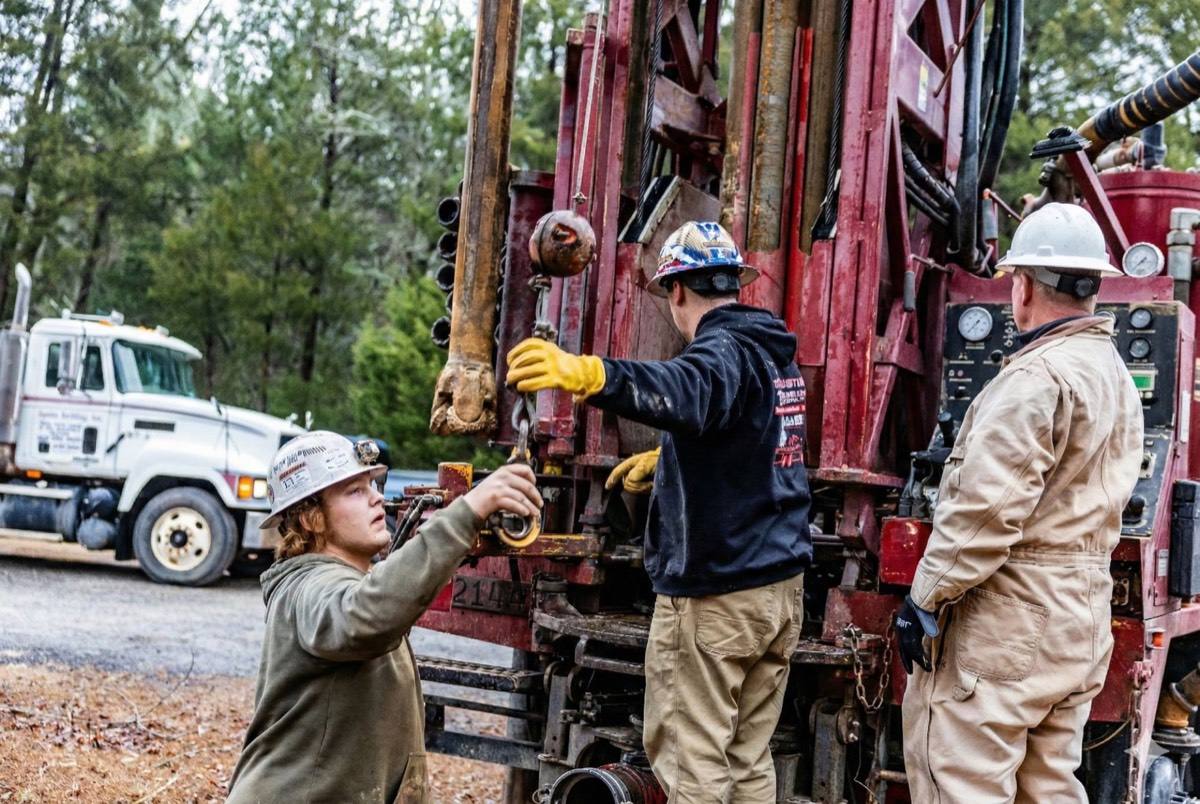
Household, farm, camp and timber-tract wells, with site access assessed before the rig is committed.
Learn More →
Well Repair
Wells on properties with no alternative supply, and seasonal wells that must work on demand.
Learn More →
Pump Services
Pump specification for intermittent seasonal use as well as continuous household demand.
Learn More →
Water Treatment
Hardness, sulfide and iron. Free analysis before recommending equipment.
Learn More →
Irrigation Wells
Farm and pasture supply across the county's agricultural land.
Learn More →
Septic Installation
Septic installation across a county with very limited sewer coverage.
Learn More →
Walterboro Well Conditions
What to Expect When You Drill in Walterboro
Inland Colleton County drills reasonably comfortably. Access to remote sites is often the bigger practical constraint.
Ranges reflect typical conditions across Colleton County. Individual properties vary — we assess your specific site before quoting.
Common Questions
Walterboro, SC Well FAQ
Serving Walterboro, Cottageville, Ruffin & Colleton County
Rural supply done properly. Call for a free site assessment, including access.